
Pediatric Dentistry in Barcelona
What is Pediatric Dentistry?
Pediatric dentistry is the branch of dentistry that focuses on the oral health of children up to age 18.
At Clínica Birbe, we help children and teens maintain good oral health. We do this through effective preventive care and early detection of any problems that may arise.
Our young people’s oral health—in good hands and at the right time.
Our Treatments
- First and foremost, the prevention of tooth decay.
- We teach oral hygiene as part of a healthy diet.
- Radiology and diagnostic imaging.
- Fillings using the most appropriate materials.
- We guide tooth replacement and the development of occlusion (space maintainers)
- Detection of dental malocclusions.
- Detection of abnormalities in facial bone growth.
- Dental Traumatology.
- Guidance on bad habits, such as thumb-sucking or using a pacifier.
- Guidance on whether or not orthodontic treatment and conscious sedation are necessary.
Questions about the oral health of the little ones.
What should I use to clean my baby's teeth?
A toothbrush will remove the bacteria in plaque that can cause cavities.
Any soft-bristled toothbrush with a small head—preferably one designed specifically for infants—should be used at least once a day before bedtime.
When should I take my child to the dentist for the first check-up?
To prevent dental problems, your child should see a pediatric dentist when the first tooth appears, or no later than his or her first birthday.
What is the difference between a pediatric dentist and another dentist (specialist or generalist)?
Pediatric dentists are the pediatricians of dentistry. A pediatric dentist is a licensed dentist with specialized postgraduate training in the treatment of oral health problems in children and adolescents.
How to find a pediatric dentist in my city?
By visiting the website of the Spanish Society of Pediatric Dentistry (SEOP) or contacting the Official College of Dentists and Stomatologists of Catalonia (COEC).
Are baby teeth really that important for my child?
Baby teeth—also known as primary, deciduous, or temporary teeth—are very important for many reasons: they enable children to perform essential functions such as speech and chewing; they also help, during the tooth replacement process, guide the permanent teeth into the correct position and, very importantly, maintain the space so that these teeth can align properly with one another, preventing crowding and other malocclusions.
What should I do if my child has a toothache?
First, clean the irritated area with warm salt water and apply a cold compress to the face if it is swollen. Give the child acetaminophen for pain, rather than rubbing aspirin on the teeth or gums. And see a pediatric dentist as soon as possible.
Is thumb sucking and pacifier sucking habits harmful to a child's teeth?
In general, both thumb-sucking and pacifier use, if continued for a long period of time, can lead to dental malocclusions and skeletal malformations of the jaws.
Most children outgrow these habits on their own, but if they persist by age 3, the pediatric dentist should recommend the use of an oral appliance to correct the habit as soon as possible.
How can I prevent baby bottle tooth decay?
Avoid using a bottle when the child goes to sleep. Once they reach a certain age—a few months old—avoid giving them a bottle at night, or give them only water.
It is also essential to learn the correct way to brush your teeth and floss.
Take your child to a pediatric dentist regularly to have their teeth and gums checked.
Your child’s first dental visit should be scheduled around his or her first birthday.
How often does my child need to see a pediatric dentist?
A checkup every six months is recommended to prevent cavities and other dental problems. However, your pediatric dentist can advise you on when and how often your child should visit, tailoring the schedule to your child’s oral health and risk of cavities.
Toothpaste: When should we start using it and how much should we use?
The sooner, the better!
Starting at birth, clean your baby’s gums with a baby toothbrush or a soft cloth and water.
Once the first baby teeth have come in, parents should use a small amount of fluoride toothpaste (ranging from just a “dab” on the bristles to the size of a grain of rice), brushing twice a day with a soft-bristled toothbrush that is appropriate for the child’s age.
Once children are between 3 and 6 years old, increase the amount of toothpaste to the size of a pea and brush your child’s teeth or help them brush. Remember that young children are not yet able to brush their teeth effectively. Children should spit out—not swallow—any excess toothpaste after brushing.
How to make my child's diet safe for teeth?
Make sure your child eats a balanced and varied diet that includes one serving of each of the following food groups: fruits and vegetables, bread and grains, milk and dairy products, and fish, meat, and eggs.
Limiting sugar and starch helps protect your child’s teeth from cavities.
You can also ask your pediatric dentist which foods help protect your children’s teeth.
What are dental sealants and how do they work?
Pit and fissure sealants are tooth-colored composites used to fill the natural “cracks” on the chewing surfaces (occlusal surfaces) of teeth, primarily molars and premolars.
This makes it easier to clean the occlusal surfaces of the molars (the surfaces most prone to cavities) and prevents plaque and food debris from accumulating in these areas.
The procedure is quick, convenient, and can effectively protect your teeth for many years. It is performed without anesthesia.
What can I do to protect my child's teeth during sports?
Mouthguards should be used to protect the teeth, lips, cheeks, and gums from sports-related injuries.
A custom-made mouthguard from a pediatric dentist for your child will protect their teeth and mouth from blows and falls that can occur while playing sports
What should I do if my child falls and knocks out a permanent tooth?
The most important thing is to stay calm. Next, look for the tooth. Hold it by the crown—do not touch the root—and try to put it back in its socket. If that’s not possible, place the tooth in a glass of milk or salt water, and take your child to the pediatric dentist immediately.
Are dental X-rays safe?
Absolutely safe. Dental X-rays involve very low radiation exposure. Pediatric dentists take special care to limit the amount of radiation to which children are exposed. Lead aprons and digital radiography are used to ensure safety and minimize radiation exposure.
How can we, as parents, help prevent tooth decay?
Parents should take their children to the dentist regularly, starting when the first tooth erupts. The pediatric dentist can recommend a specific program for brushing, flossing, and other treatments and tips to help you supervise and teach your children. This at-home care, combined with regular dental visits and a balanced diet, will help your child develop healthy habits and a healthy lifestyle.
Frequently Asked Questions About Pediatric Dentistry
At what age should you take your child to a pediatric dentist?
The first visit is recommended around the child’s first birthday or when the first tooth appears. From then on, checkups every 6–12 months help prevent cavities, monitor development, and teach good oral hygiene habits. At Clínica Birbe in Barcelona, the first visits are introductory, playful, and focused on helping the child feel comfortable.
Why treat cavities in baby teeth if they're going to fall out anyway?
Because cavities in baby teeth can cause pain, infections, problems with permanent teeth, and speech or chewing difficulties. In addition, baby molars remain in place until the age of 10–12. Taking care of them is essential for future oral health and proper dental development.
What treatments are performed in pediatric dentistry?
Checkups, fluoride treatments, fissure sealants, pediatric fillings, frenectomy, root canal treatments, space maintainers, and referrals to pediatric orthodontics when appropriate. We always take a preventive approach and respect the child’s pace. The goal is to build a positive relationship with the dentist starting in childhood.
How can children who are afraid of the dentist prepare themselves?
We adjust the pace of the visit, explain each step in simple terms, and, in select cases, offer conscious sedation. It is common for parents to be present during appointments. In Barcelona, we have a team trained to manage children’s anxiety and help them associate the dentist with a calm experience.
Dr. Joan Birbe: Pediatric Dentistry with a Maxillofacial Focus (ABOMS)
Caring for children isn’t just about treating cavities—it’s about detecting early on any issues with facial growth, orthopedics, or eruption that will affect their adult lives. Dr. Birbe’s maxillofacial supervision, certified by ABOMS, ensures this preventive approach. The pediatric dentistry team works in coordination with pediatric orthodontics and surgery when it is necessary to treat an impacted canine or a frenulum.
Why Take Your Child to Clínica Birbe?
Taking care of children’s oral health helps prevent more serious problems in adulthood. We do this with a well-coordinated team and a very personal approach.
• Age-appropriate care: language, pace, and environment tailored to children and adolescents.
• Early diagnosis of problems related to bite, tooth eruption, and facial growth.
• Internal coordination with pediatric orthodontics and maxillofacial surgery, as appropriate.
• Preventive treatments: sealants, dental cleanings, and education on good oral hygiene habits.
• Regular follow-up through adolescence, with a long-term plan.
→ Schedule an appointment for your child at Clínica Birbe Barcelona and get off to a good start.
Testimonials
We are collecting verified testimonials from our patients
We want this section to feature real and diverse experiences from patients treated at Clínica Birbe. If you have been a patient and would like to share your experience, please write to us: your feedback helps us improve and provides guidance to other patients who are considering this treatment.
All testimonials are always published with the patient’s express consent and in accordance with the GDPR.
Latest News

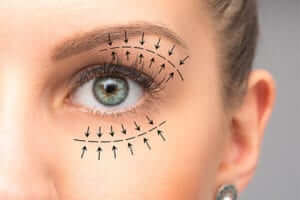
Best age for blepharoplasty surgery
The best age for blepharoplasty surgery depends on the condition of the skin, genetics, and the degree of aging in the eye area. There is
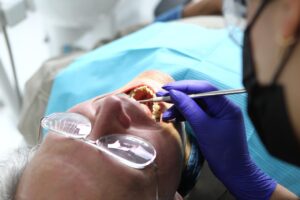
Best maxillofacial surgeon in Barcelona
Choosing the best maxillofacial surgeon in Barcelona is essential for those who need specialized treatment in oral, maxillofacial, or reconstructive surgery. The decision is not
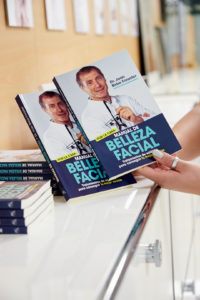
Dr. Birbe is internationally certified in oral and maxillofacial surgery by ABOMS.
Dr. Birbe holds an international certification in oral and maxillofacial surgery granted by ABOMS, representing a professional profile with advanced training and international standards of
Clinics that perform orthognathic surgery in Barcelona
Clinics that perform orthognathic surgery in Barcelona are specialized centers for the diagnosis and treatment of jaw alterations that affect bite, chewing function, and facial
Best rhinoplasty specialists in Barcelona
The best rhinoplasty specialists in Barcelona are professionals who perform aesthetic and functional nasal surgery with the aim of improving breathing and facial harmony. It

WhatClinic Patient Service Award for Clínica Birbe
Birbe, Aesthetic Medicine Clinic in Barcelona, wins the WhatClinic Patient Service Award. This is an international recognition that highlights clinics with the best ratings for
We help you to perform the intervention you need
After a rigorous evaluation, we offer you a personalized and closed budget with all the necessary forms of payment and financing, so that you can carry it out.
Our recommendations
Contact
with us
Contact us during our business hours:
- Monday, Thursday and Friday from 8:00 a.m. to 4:00 p.m.
- Tuesday and Wednesday from 8:00h to 19:00h.
- Phone: +34 93 212 47 37
Outside our working hours you can send us a WhatsApp or a form and we will get back to you the next business day. Being located in Barcelona, we receive patients from all over the national and international territory.
During your first consultation we will provide you with:
Personal diagnosis by oral and facial examination.
Closed budget with different financing financing possibilities.