

Surgical Orthodontics in Barcelona
What Is Surgical Orthodontics?
It is the orthodontic treatment of choice when orthognathic surgery of the jaws is necessary. In other words, there is not only dental malocclusion, but also misalignment of the jaws—the bones that hold the teeth. This skeletal malocclusion cannot be corrected with orthodontics alone, hence the need for a combined treatment involving orthodontics (which is why it is called “surgical orthodontics”) and orthognathic surgery. The teeth are aligned and positioned optimally so that, during orthognathic surgery, the bones will fit together perfectly.
Orthognathic surgery is a surgical procedure that corrects maxillofacial deformities by repositioning the bones of the upper jaw, lower jaw, and chin. It is indicated when there are very severe Class II (small lower jaw), Class III (large lower jaw), vertical problems (open bites or gingival smiles), or facial asymmetries that cannot be corrected with orthodontics alone.
In surgical orthodontics, conventional braces are often used because they offer greater precision, although this always depends on the individual case.
Things to Keep in Mind
This treatment typically lasts about 18–24 months in total.
The first phase of treatment involves preparing the teeth for surgery, which takes approximately 6 to 10 months. Once the teeth are in the desired position, the patient undergoes orthognathic surgery.
In the final phase of treatment—the post-surgical phase—there will be another 9 months during which the orthodontist will finish stabilizing the occlusion of the two jaws.
In some cases, early surgery ( Surgery Early ) can be performed when the preoperative orthodontic preparation is very short or virtually nonexistent (Surgery First).
These cases would be the simplest in terms of orthodontic preparation, and the total treatment time would be shorter.
One of the advantages of Surgery Early is that the patient sees the aesthetic and functional results right from the start.
Treatment Process
The process begins with a joint evaluation by an orthodontist and a maxillofacial surgeon. We take photographs, perform scans, take X-rays, and create 3D models. Dr. Joan Birbe digitally designs the anticipated bone changes, and we share a preview of the aesthetic and functional results with you. The first phase is orthodontic (dental decompensation), followed by orthognathic surgery in the operating room under general anesthesia, using intraoral access and digital planning with custom-made splints. After surgery, a second phase of orthodontic treatment is completed for fine-tuning. Each step is documented with photographs and comparative studies.
Recovery time
Recovery from orthognathic surgery is demanding: the first 7–14 days require rest, a soft or liquid diet, and anti-inflammatory medications. Facial swelling is pronounced during the first 2 weeks and subsides significantly after a month. Social reintegration typically occurs after 3–4 weeks, and return to work after 2–4 weeks, depending on the type of job. Transient hypoesthesia may occur in the lips and cheeks, which gradually resolves. Postoperative follow-up appointments are scheduled at 1, 4, 12, and 24 weeks, in close coordination with the orthodontist.
Expected Results
The results are significant: a functional bite, a harmonious profile, improved breathing in many cases, and, frequently, relief from jaw pain or previous headaches. The change in facial appearance is noticeable and, when planned properly, looks completely natural. Long-term stability is high once post-surgical orthodontic treatment is completed and retainers are used. We document each case using 3D analysis and comparative photographs. Patient satisfaction is usually very high because the procedure combines aesthetic and functional improvements and, in many cases, an improved quality of life.
Duration of treatment
The entire treatment plan typically lasts between 18 and 30 months and consists of three stages: preoperative orthodontics (6–12 months), surgery and immediate recovery (1–2 months), and postoperative orthodontics (6–12 months). The surgery lasts 2–5 hours, depending on its complexity. Follow-up appointments are scheduled every 4–6 weeks with the orthodontist. After the braces are removed, patients are fitted with fixed and removable retainers, and follow-up appointments are scheduled at 6, 12, and 24 months. It’s a long-term project, but the results fully justify the time invested.
Frequently Asked Questions About Surgical Orthodontics
What is surgical orthodontics?
It is a combined orthodontic and orthognathic surgery treatment plan designed to correct bite abnormalities and jaw misalignments that cannot be resolved with orthodontics alone. It is indicated for open bites, prognathism, retrognathism, and marked asymmetries. At Clínica Birbe in Barcelona, the clinic is led by Dr. Joan Birbe, an ABOMS-certified orthodontist, along with a team of specialized orthodontists.
When is orthognathic surgery necessary?
When the cause of the problem is skeletal, not just dental. Symptoms such as a deep open bite, a very prominent or receding chin, a severe crossbite, or associated respiratory and TMJ problems typically indicate orthognathic surgery. 3D digital planning allows you to preview aesthetic and functional changes before making a decision.
How long does surgical orthodontic treatment take?
Usually between 18 and 30 months. It typically involves an initial orthodontic phase (6–12 months), surgery, and a final phase of orthodontic adjustment (6–12 months). The plan is provided from the outset with a clear timeline and is reviewed periodically. The results are very stable over the long term when the plan is carried out correctly.
What is orthognathic surgery like?
It is performed in the operating room under general anesthesia. The access points are intraoral, leaving no visible scars. Following the procedure, a brief hospital stay, a soft diet, and rest for 7–14 days. The inflammation clearly subsides within a month, and recovery proceeds gradually. 3D planning and the team’s experience are key to a predictable outcome.
Dr. Joan Birbe: ABOMS-Certified Surgical Orthodontist
When the malocclusion is caused by skeletal factors, simply moving the teeth is not enough: orthodontic treatment must be combined with orthognathic surgery. Dr. Birbe’s ABOMS certification supports this precise surgical coordination, which is planned in 3D and sequenced in collaboration with the orthodontist. The result: stable occlusion, functional improvement, and facial harmony achieved through a single treatment plan, not through treatments added later.
Why Choose Clínica Birbe for Your Surgical Orthodontics?
Surgical surgical orthodontics only works if the orthodontist and surgeon work together. At Clínica Birbe, that’s how it’s been from day one.
• Joint 3D planning between orthodontics and orthognathic surgery.
• ABOMS-certified oral and maxillofacial surgeon responsible for the surgical phase.
• Clear timelines and treatment plans from the very first day of orthodontic treatment.
• Our own accredited operating room in Barcelona where the surgery is performed.
• Joint post-surgical follow-up until the completion of orthodontic treatment.
→ Request your evaluation at Birbe Clinic and find out if you’re a candidate for surgical orthodontics.
Testimonials
We are collecting verified testimonials from our patients
We want this section to feature real and diverse experiences from patients treated at Clínica Birbe. If you have been a patient and would like to share your experience, please write to us: your feedback helps us improve and provides guidance to other patients who are considering this treatment.
All testimonials are always published with the patient’s express consent and in accordance with the GDPR.
Latest News

Dr. Joan Birbe will participate in the IV National Congress of the SECPF
Dr. Joan Birbe, founder of Clínica Birbe in Barcelona, will participate as a speaker at the IV National Congress of the Spanish Society of Facial
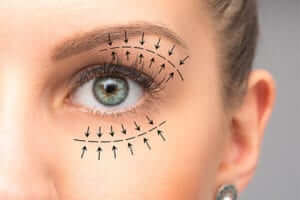
Best age for blepharoplasty surgery
The best age for blepharoplasty surgery depends on the condition of the skin, genetics, and the degree of aging in the eye area. There is
Best maxillofacial surgeon in Barcelona
Choosing the best maxillofacial surgeon in Barcelona is essential for those who need specialized treatment in oral, maxillofacial, or reconstructive surgery. The decision is not

Dr. Birbe is internationally certified in oral and maxillofacial surgery by ABOMS.
Dr. Birbe holds an international certification in oral and maxillofacial surgery granted by ABOMS, representing a professional profile with advanced training and international standards of
Clinics that perform orthognathic surgery in Barcelona
Clinics that perform orthognathic surgery in Barcelona are specialized centers for the diagnosis and treatment of jaw alterations that affect bite, chewing function, and facial
Best rhinoplasty specialists in Barcelona
The best rhinoplasty specialists in Barcelona are professionals who perform aesthetic and functional nasal surgery with the aim of improving breathing and facial harmony. It
We help you to perform the intervention you need
After a rigorous evaluation, we offer you a personalized and closed budget with all the necessary forms of payment and financing, so that you can carry it out.
Our recommendations
Contact
with us
Contact us during our business hours:
- Monday, Thursday and Friday from 8:00 a.m. to 4:00 p.m.
- Tuesday and Wednesday from 8:00h to 19:00h.
- Phone: +34 93 212 47 37
Outside our working hours you can send us a WhatsApp or a form and we will get back to you the next business day. Being located in Barcelona, we receive patients from all over the national and international territory.
During your first consultation we will provide you with:
Personal diagnosis by oral and facial examination.
Closed budget with different financing financing possibilities.