
Sarpe o
Narrow Palate
What is Sarpe or "Paladar Estrecho"?
A narrow palate can cause problems with breathing, chewing, and the temporomandibular joint (TMJ). If it is detected before growth is complete, it can be widened using orthodontic appliances. A dental occlusion with posterior crossbite is typical. In other words, the lower teeth are outside the upper teeth, when normally it should be the other way around.
If detected in adulthood, treatment is typically surgical, with the SARPE technique being the preferred option.
If the narrow palate is caused by the upper jaw teeth tilting toward the palate, surgically assisted orthodontics may be a good and quick solution. It involves placing orthodontic brackets and making small incisions in the bone around the teeth to be moved (corticotomies). These drill holes weaken the bone and reduce resistance to orthodontic movement, so that the total duration of treatment is two or three times shorter than usual, and orthodontic treatment can be completed in just a few months.
When is orthognathic surgery necessary?
If, in addition to a narrow palate, there are abnormalities in other spatial dimensions (a retruded or elongated maxilla, or a retruded or elongated mandible), the solution will be segmental orthognathic surgery.
In other words, upper jaw surgery (Lefort I) involves making vertical incisions between the teeth (usually in front of the canines) so that we can move the jaw in all three dimensions, including widening it transversely. For more information, visit our orthognathic surgery section.
Types of Narrow Palates
- If the narrow palate is due to a narrow maxillary bone, and it is no longer possible to widen it with orthodontic appliances, the treatment is surgical, and we have two techniques: SARPE and segmented Lefort I.
- If the only procedure to be performed is palatal expansion, SARPE is the ideal technique. This procedure is performed under local anesthesia on an outpatient basis. It involves making small incisions in the areas that offer the greatest resistance to expansion. A device called a disconnector is placed the day before surgery; it will be activated one week after the procedure. This device allows for the gradual widening of the palate, usually over the course of 1 to 2 weeks. Once the palate has been widened, the teeth are moved into their ideal position through orthodontic treatment, correcting the crossbite.
- If the narrow palate is due to a narrow maxillary bone, and it is no longer possible to widen it with orthodontic appliances, the treatment is surgical, and we have two techniques: SARPE and segmented Lefort I.
Treatment Process
Treatment for a narrow palate follows a structured process, and its main advantage is that surgery—when necessary—is much simpler and can be performed on an outpatient basis compared to other orthognathic techniques.
1. First visit and initial evaluation. Dr. Birbe performs a complete facial and oral examination, assessing the width of the palate, the posterior crossbite, the inclination of the upper jaw teeth, and the overall facial pattern. We determine whether the problem is dental (misaligned teeth) or skeletal (narrow jawbone).
2. Advanced diagnostic tests. A CBCT (3D dental CT scan) is performed to accurately measure the bone width of the palate, along with a cephalometric teleradiograph, an intraoral scan, and a photographic record. If sleep apnea associated with a narrow palate is suspected, the patient is referred to a pulmonologist to evaluate the possibility of a polysomnography.
3. Technical decision. With the data in hand, a decision is made between:
– Surgical orthodontics (corticotomies) if the problem is primarily dental.
– SARPE if the maxillary bone is narrow and the only necessary procedure is to widen it.
– Segmented LeFort I (orthognathic surgery) if there are associated abnormalities in other dimensions (retracted or long maxilla, mandibular abnormality).
4. Preparatory phase and installation of the circuit breaker. In cases of SARPE, the expander—a device that is anchored to the palate and will be responsible for the progressive expansion—is placed the day before surgery.
5. SARPE surgery. The procedure is performed on an outpatient basis under local anesthesia, either at the clinic itself or at a surgical center, depending on the patient’s preference. Incisions are made in the areas of greatest resistance to expansion (usually the midpalatal suture and maxillary buttresses). In most cases, there is no hospital admission or general anesthesia.
6. Active expansion phase. One week after surgery, the disjunction mechanism begins to be activated, following a precise protocol (usually a quarter-turn each day). Full expansion is achieved in 1–2 weeks. Weekly checkups are conducted to confirm that the palate is widening symmetrically.
7. Consolidation phase. Once the desired expansion has been achieved, the passive expander is left in place for 3–6 months to allow new bone to form in the expanded area and prevent recurrence.
8. Post-surgical orthodontics. The expander is removed, and braces or aligners are fitted to move the teeth into the ideal position and correct the crossbite. It comes complete with retainers.
Recovery time
🔧 Evolución del tratamiento con disyuntor maxilar
| Fase | Plazo orientativo | Qué esperar |
|---|---|---|
| Día de la cirugía | Mismo día | Alta el mismo día, molestias leves, hielo facial, analgesia oral |
| Primeros 2-3 días | Días 1-3 | Inflamación leve-moderada, dieta blanda, reposo relativo, sin baja laboral en muchos casos |
| Primera semana | Días 1-7 | Inflamación en descenso, ya se puede comer con normalidad progresiva |
| Inicio de activación del disyuntor | Día 7 | Sensación de presión al girar el tornillo, ligero hormigueo entre incisivos superiores. Aparición progresiva de un diastema (separación) entre los incisivos centrales — es normal y esperable |
| Fase de expansión activa | Semanas 2-3 | 1-2 semanas de giros diarios hasta alcanzar la anchura deseada |
| Consolidación con disyuntor pasivo | 3-6 meses | El disyuntor se mantiene fijo, sin activarlo, mientras el hueso nuevo consolida |
| Ortodoncia posterior | 6-18 meses | Cierre del diastema, alineación dental y corrección de la mordida cruzada |
| Retenedores | Uso indefinido nocturno | Mantenimiento del resultado a largo plazo |
⚠️ Detalle importante: durante la expansión activa aparece un espacio (diastema) entre los dos incisivos centrales superiores. Muchos pacientes se asustan al verlo, pero es la señal de que la expansión está funcionando; ese espacio se cierra después con la ortodoncia postquirúrgica sin ningún problema.
Duración del tratamiento
⏳ Cronograma orientativo del tratamiento SARPE
| Fase | Duración orientativa |
|---|---|
| Estudio diagnóstico y planificación | 2-4 semanas |
| Colocación del disyuntor | 1 sesión (día previo a la cirugía) |
| Cirugía SARPE (ambulatoria, anestesia local) | 60-90 minutos |
| Fase de expansión activa | 1-2 semanas |
| Fase de consolidación con disyuntor pasivo | 3-6 meses |
| Ortodoncia postquirúrgica | 6-18 meses |
| Retenedores | Uso nocturno indefinido |
| Tratamiento global (SARPE + ortodoncia) | Aproximadamente 12-24 meses |
| Alternativa: ortodoncia asistida quirúrgicamente (corticotomías) si el caso lo permite | Aproximadamente 4-8 meses |
🏥 En Clínica Birbe damos un cronograma realista en la primera visita, con los hitos clave del proceso, para que el paciente pueda organizar su vida laboral y personal con previsión.
✅ Ventaja del SARPE: la gran ventaja del paladar estrecho tratado con SARPE es que el paciente recupera enseguida su vida normal (la baja laboral, si es necesaria, es de 2-3 días) y no hay ingreso hospitalario ni anestesia general.
Frequently Asked Questions
How do I know if I need SARPE or if I can still widen my palate with orthodontics alone?
Es la primera pregunta clave y depende de dos factores: la edad y la naturaleza del estrechamiento. En pacientes en fase de crecimiento (habitualmente menores de 14-15 años), la sutura palatina media —la línea que une las dos mitades del maxilar superior— aún no se ha cerrado, y se puede ensanchar el paladar con un disyuntor ortodóncico sin cirugía. En adultos, esa sutura ya está fusionada y osificada, por lo que forzar la expansión solo con ortodoncia produce dolor, movimientos dentarios indeseados y, muchas veces, recidiva. Si el estrechamiento es solo por inclinación de los dientes hacia el paladar (no por falta de hueso), la solución puede ser ortodoncia asistida quirúrgicamente con corticotomías, que es un procedimiento menos invasivo que la SARPE. Si el hueso maxilar es realmente estrecho, la SARPE es la técnica indicada. En Clínica Birbe, en Barcelona, lo determinamos con exploración clínica, CBCT y análisis cefalométrico antes de proponer ningún tratamiento.
¿Es dolorosa la cirugía SARPE? ¿Voy a tener que estar ingresado?
No, y eso suele sorprender a los pacientes. La SARPE se realiza de forma ambulatoria y con anestesia local (en algunos casos con sedación consciente, si el paciente lo prefiere), lo que significa que entras y sales el mismo día, sin ingreso hospitalario y sin anestesia general. La cirugía en sí dura entre 60 y 90 minutos. En el postoperatorio hay molestias leves-moderadas los primeros 2-3 días, similares a las de una extracción de muelas del juicio, controlables con analgésicos habituales y hielo facial. La mayoría de pacientes se reincorpora al trabajo en 2-3 días. Lo que sí genera cierta incomodidad es la fase de activación del disyuntor (sensación de presión al girar el tornillo), pero es tolerable y dura solo 1-2 semanas. Comparada con la cirugía ortognática convencional, la SARPE es de las intervenciones más llevaderas de toda la cirugía maxilofacial.
¿Por qué me van a salir dos dientes separados en medio de la boca durante la expansión?
Ese “hueco” —técnicamente un diastema interincisivo— es la señal visible de que la SARPE está funcionando correctamente. Al ensanchar el paladar, las dos mitades del maxilar superior se separan por la línea media, y con ellas se separan también los dos incisivos centrales superiores. En pocos días aparece un espacio entre ellos que puede llegar a varios milímetros. Muchos pacientes se asustan al verlo, pero es completamente normal y esperable: significa que el hueso está expandiéndose de forma simétrica. Ese espacio se cierra después con la ortodoncia postquirúrgica sin ningún problema, y en la mayoría de casos ni siquiera queda visible entre 2 y 4 meses después. Lo explicamos siempre antes de la cirugía y mostramos fotos de casos previos, para que no sea una sorpresa. Si el diastema no aparece, en cambio, es señal de que la expansión no está ocurriendo y hay que revisar la activación.
¿Cuándo hay que hacer LeFort I segmentado en vez de SARPE?
Cuando el paladar estrecho no es un problema aislado, sino que va acompañado de otras alteraciones del maxilar superior: maxilar retruído (no proyecta lo suficiente), maxilar largo (cara larga), asimetría transversal, sonrisa gingival o problemas en la posición vertical. En esos casos, la SARPE resolvería solo la anchura, pero dejaría todo lo demás sin corregir. La solución correcta es una cirugía ortognática segmentada tipo LeFort I, que permite ensanchar el maxilar a la vez que se avanza, se sube o se rota, todo en un mismo procedimiento. Es una cirugía más extensa que la SARPE (requiere anestesia general e ingreso hospitalario), pero es la que da resultado completo cuando el problema es multidimensional. El Dr. Birbe valora en la planificación 3D si tu caso es SARPE puro o LeFort I segmentado, y te explica con transparencia por qué. Elegir mal la técnica es la causa más frecuente de tratamientos incompletos que requieren segunda cirugía años después.
¿Cubre la Seguridad Social en Cataluña la cirugía SARPE?
La SARPE está reconocida dentro de la cartera de servicios del Sistema Nacional de Salud y del CatSalut en Cataluña cuando existe indicación médica documentada (mordida cruzada posterior significativa, repercusión funcional en masticación o ATM, o asociación con apnea del sueño). En la práctica, sin embargo, los plazos de espera son largos, la ortodoncia previa y posterior —que representa una parte muy importante del coste real del tratamiento— no suele estar cubierta, y muy pocos centros públicos realizan SARPE con la frecuencia necesaria para mantener equipos experimentados en la técnica. En el ámbito privado, algunas mutuas cubren parcialmente la intervención quirúrgica según póliza; otras no la incluyen o la consideran de alta complejidad. En Clínica Birbe, en Barcelona, ayudamos a cada paciente a revisar su póliza, preparar los informes que necesita y entender exactamente qué cubre cada vía antes de decidir. Y ofrecemos presupuesto cerrado y financiación para que la decisión económica sea transparente desde el primer día.
Dr. Joan Birbe: ABOMS certified specialist
Dr. Joan Birbe is the only oral and maxillofacial surgeon in Spain certified by the American Board of Oral and Maxillofacial Surgery (ABOMS), the most rigorous international certification in this specialty. It is a renewable certification based on continuing education, the evaluation of real-world cases, and audited outcome standards—a standard of excellence far exceeding what is typical in Europe.
In the treatment of a narrow palate, that difference translates into something very specific: choosing the right technique for each case. SARPE is ideal when the only necessary procedure is to widen the palate in adults. However, many patients with a crossbite also have anteroposterior compression, a long face, maxillary retrusion, or associated mandibular abnormalities: in such cases, the correct technique is a LeFort I-type segmental orthognathic surgery, which corrects the width while repositioning the maxilla in all three dimensions. Confusing one indication with another is the most common cause of incomplete treatment or recurrence of crossbite.
With more than 20 years of experience in orthognathic surgery in Barcelona, Dr. Birbe has performed SARPE and segmental LeFort I procedures on a wide variety of patients: isolated narrow palates, cases combined with sleep apnea (where maxillary expansion also improves the airway), patients with crossbite following previous unsuccessful orthodontic treatment, and cases of transverse asymmetry. Each one is planned in 3D before deciding on the technique.
When a patient with a narrow palate comes to Clínica Birbe, they don’t just receive another opinion among the many they’ve already heard—they receive an ABOMS diagnosis and a treatment plan designed by the only professional in the country who works according to that standard.
Why Choose Clínica Birbe for Surgery?
A narrow palate in adults is one of those problems that many patients live with for years without realizing there is a solution. They realize this when the orthodontist tells them that “we can’t widen the arch with braces anymore,” and they don’t know what to do. And that’s where the technique makes all the difference: with SARPE surgery—an outpatient procedure performed under local anesthesia—the width of the palate can be restored in just a few weeks, paving the way for all subsequent orthodontic treatment.
At Clínica Birbe in Barcelona, we treat a narrow palate using a very practical approach: first, we determine whether it truly requires surgery or if it can still be resolved with surgically assisted orthodontics (corticotomies), which reduces treatment time to one-third. Not everyone with a “narrow palate” needs SARPE, and being honest about that decision is what prevents unnecessary surgeries.
When SARPE is indeed the correct treatment option, we approach it with a multidisciplinary team in which the oral and maxillofacial surgeon and the orthodontist work together on the same treatment plan from day one. The expander is activated according to a specific protocol, with weekly checkups during the expansion phase, and the transition to braces is coordinated so as not to lose any days between phases.
And, above all, we provide a fixed-price estimate after the initial evaluation, with the surgical and orthodontic components itemized, along with financing options. Financial transparency is essential in a treatment plan that combines surgery and orthodontics.
Testimonials
We are collecting verified testimonials from our patients
We want this section to feature real and diverse experiences from patients treated at Clínica Birbe. If you have been a patient and would like to share your experience, please write to us: your feedback helps us improve and provides guidance to other patients who are considering this treatment.
All testimonials are always published with the patient’s express consent and in accordance with the GDPR.
Latest News

Dr. Joan Birbe will participate in the IV National Congress of the SECPF
Dr. Joan Birbe, founder of Clínica Birbe in Barcelona, will participate as a speaker at the IV National Congress of the Spanish Society of Facial
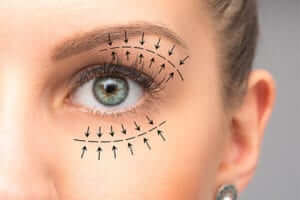
Best age for blepharoplasty surgery
The best age for blepharoplasty surgery depends on the condition of the skin, genetics, and the degree of aging in the eye area. There is
Best maxillofacial surgeon in Barcelona
Choosing the best maxillofacial surgeon in Barcelona is essential for those who need specialized treatment in oral, maxillofacial, or reconstructive surgery. The decision is not
Dr. Birbe is internationally certified in oral and maxillofacial surgery by ABOMS.
Dr. Birbe holds an international certification in oral and maxillofacial surgery granted by ABOMS, representing a professional profile with advanced training and international standards of
Clinics that perform orthognathic surgery in Barcelona
Clinics that perform orthognathic surgery in Barcelona are specialized centers for the diagnosis and treatment of jaw alterations that affect bite, chewing function, and facial
Best rhinoplasty specialists in Barcelona
The best rhinoplasty specialists in Barcelona are professionals who perform aesthetic and functional nasal surgery with the aim of improving breathing and facial harmony. It
We help you to perform the intervention you need
After a rigorous evaluation, we offer you a personalized and closed budget with all the necessary forms of payment and financing, so that you can carry it out.
Our recommendations
Contact
with us
Contact us during our business hours:
- Monday, Thursday and Friday from 8:00 a.m. to 4:00 p.m.
- Tuesday and Wednesday from 8:00h to 19:00h.
- Phone: +34 93 212 47 37
Outside our working hours you can send us a WhatsApp or a form and we will get back to you the next business day. Being located in Barcelona, we receive patients from all over the national and international territory.
During your first consultation we will provide you with:
 Personal diagnosis by oral and facial examination.
Closed budget with different financing financing possibilities.

